
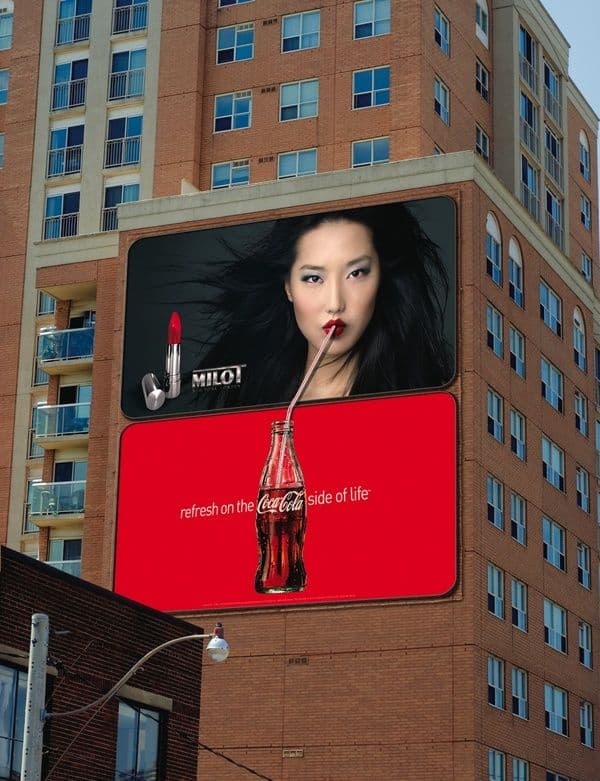
Out-of-Home Ads
Coca-Cola
Packaging that survives the real conditions it has to work in: a crowded supermarket shelf, a flexo press with colour limits, a chiller with condensation, and a category buyer deciding whether to range you.
Quick Answer
Packaging design splits into two jobs that get confused constantly. Structural design is the physical form — the shape of the bottle, the style of the carton, whether a pouch stands up, how a closure works, how many units fit a shipper and a pallet. Surface design is the artwork applied to that form: hierarchy, typography, colour, imagery and mandatory information. Structure is usually constrained by what your co-packer and converter can already produce, so we establish that first. Designing a beautiful surface for a format nobody here can run economically wastes weeks and money.
Product Categories
Print Partners
In Business Since
Team
Our Packaging Design Agency Services in Auckland
Selected Work
Out-of-Home Ads
Coca-Cola
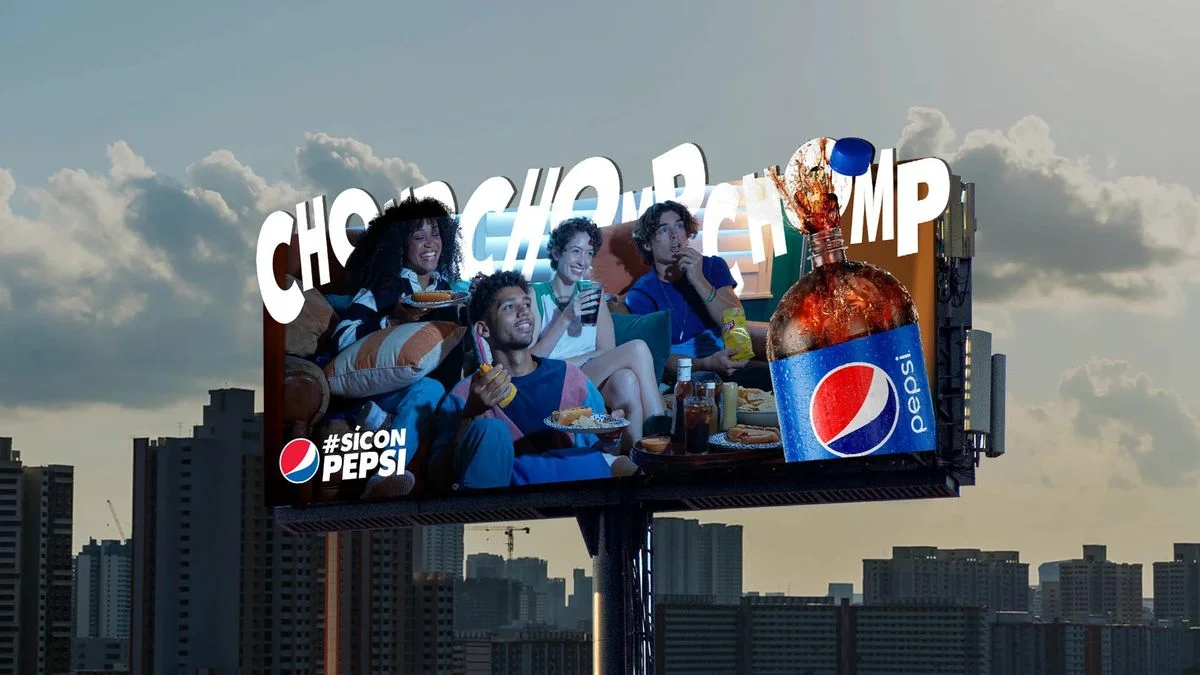
Outdoor Campaign
Pepsi
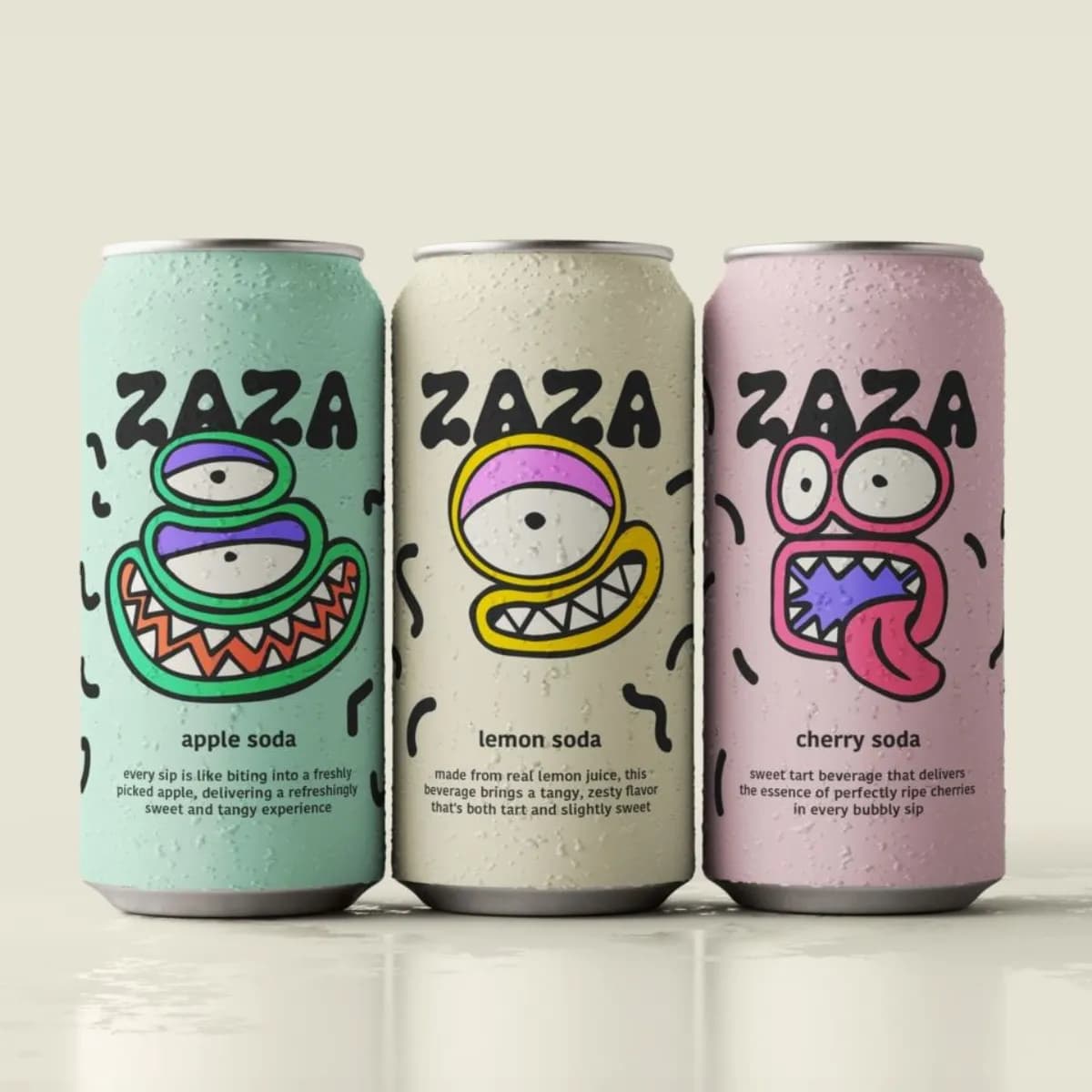
Brand Identity
Brand System
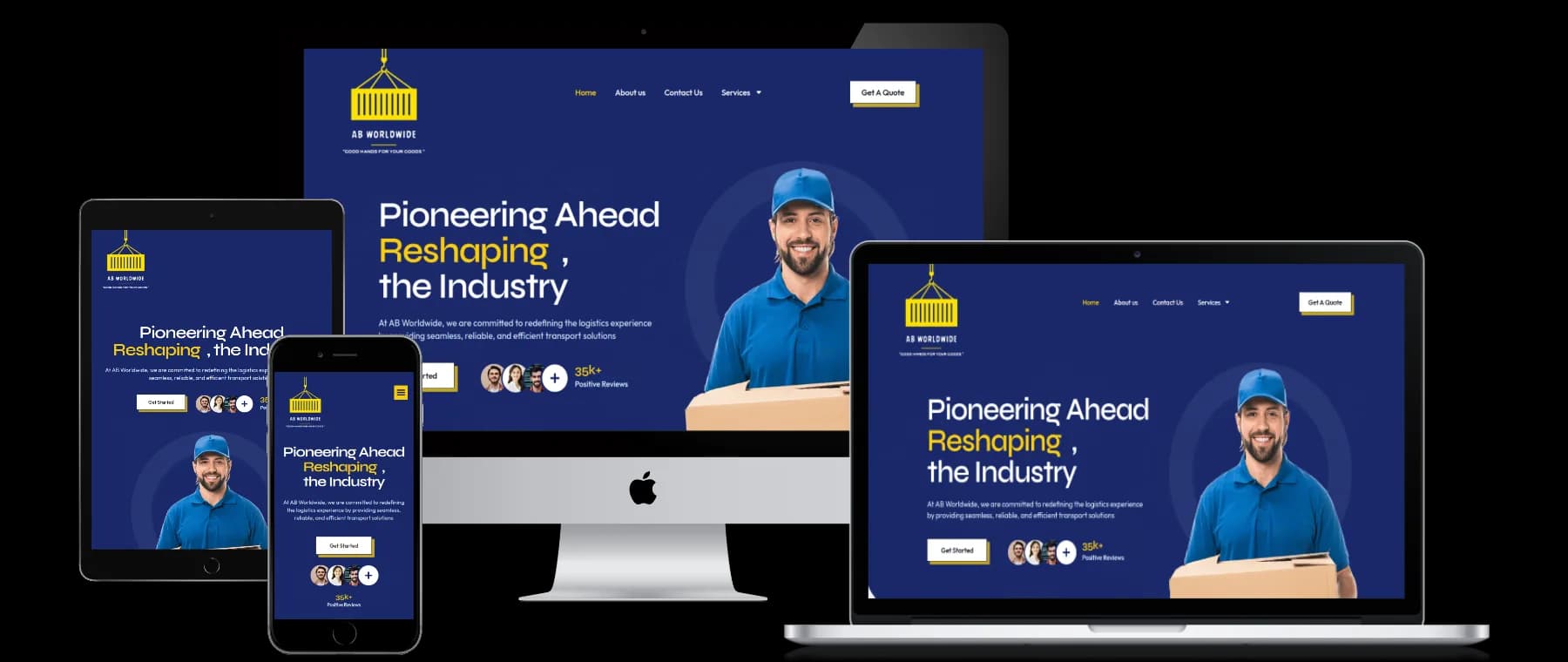
Web Development
Multi-Device Web
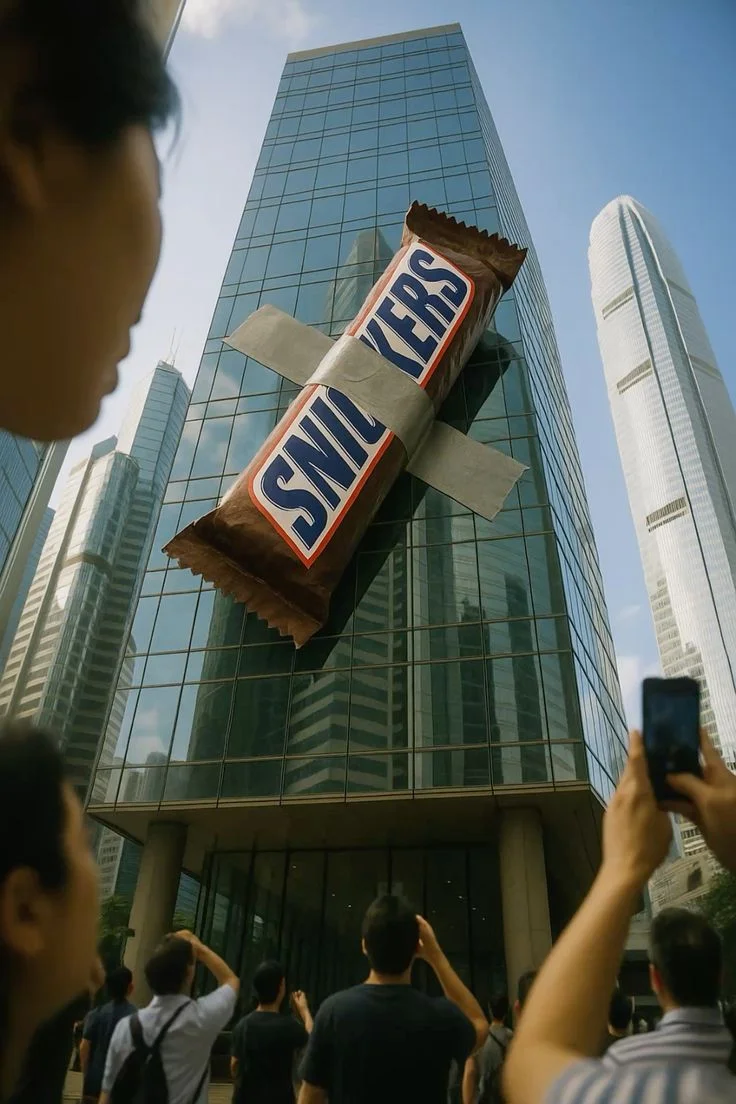
Guerilla Marketing
Snickers
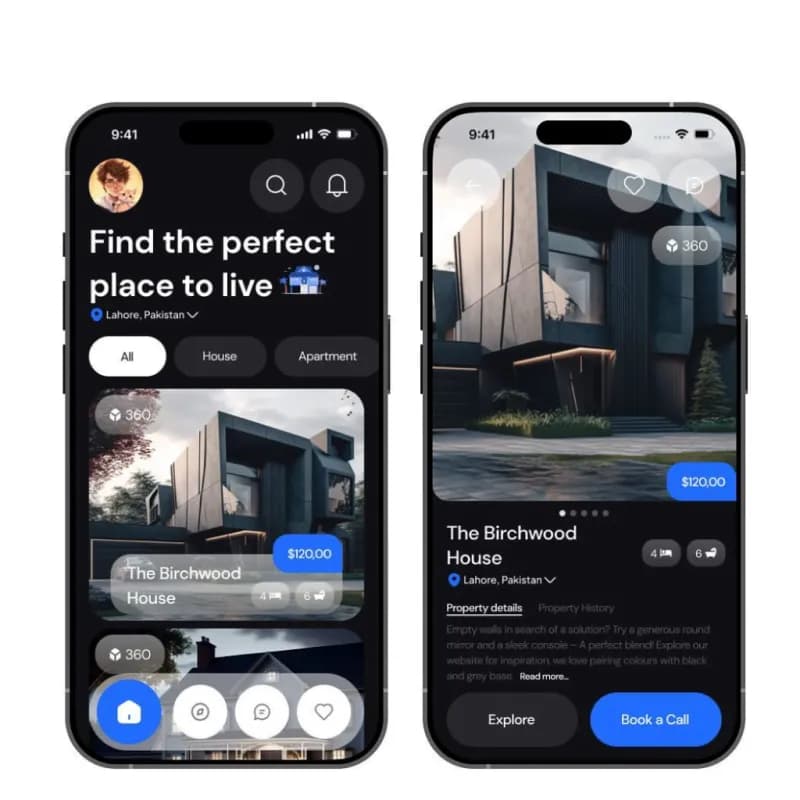
UX / UI Design
PropTech App
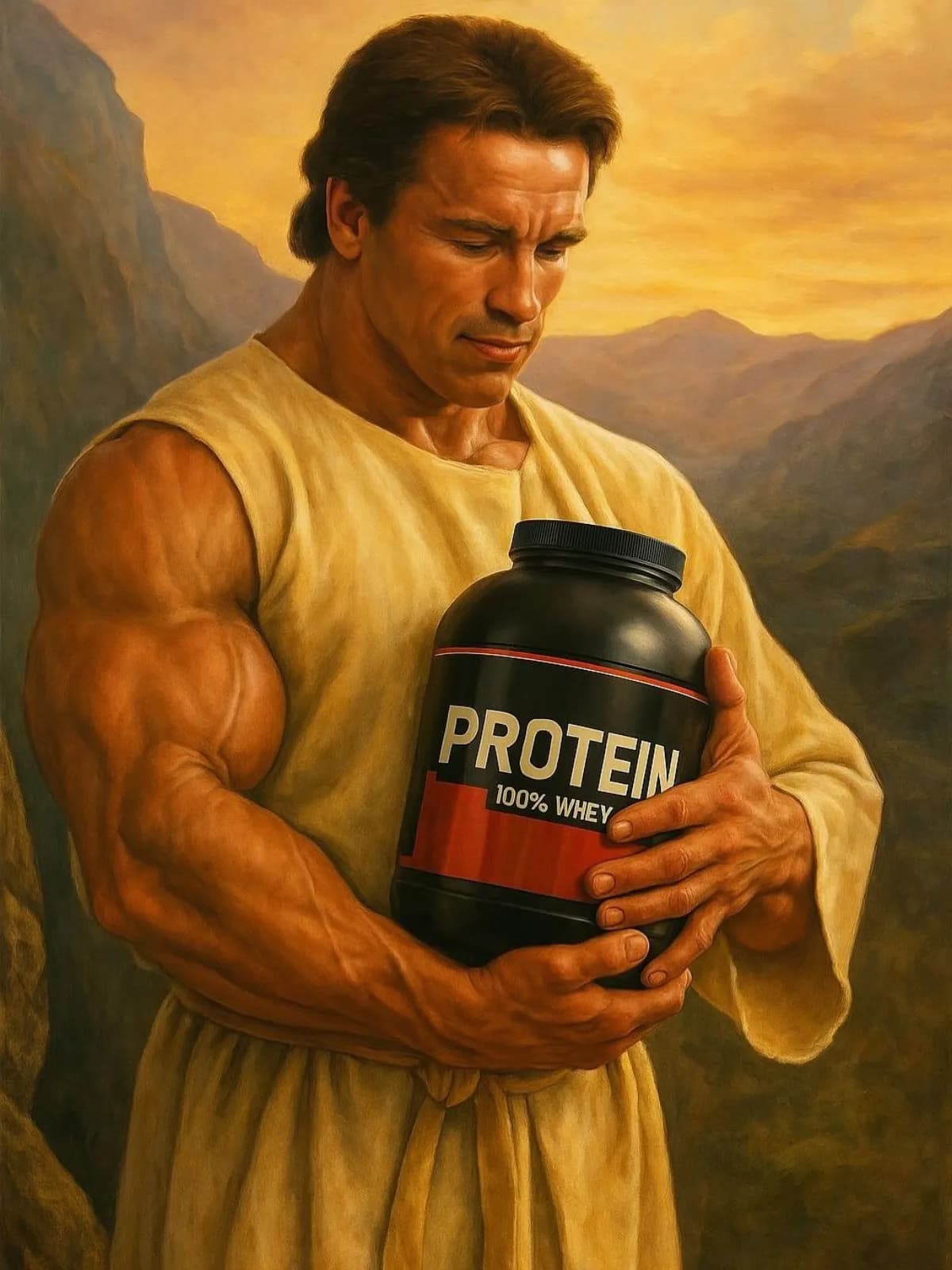
Social & Creative
Fitness Creative
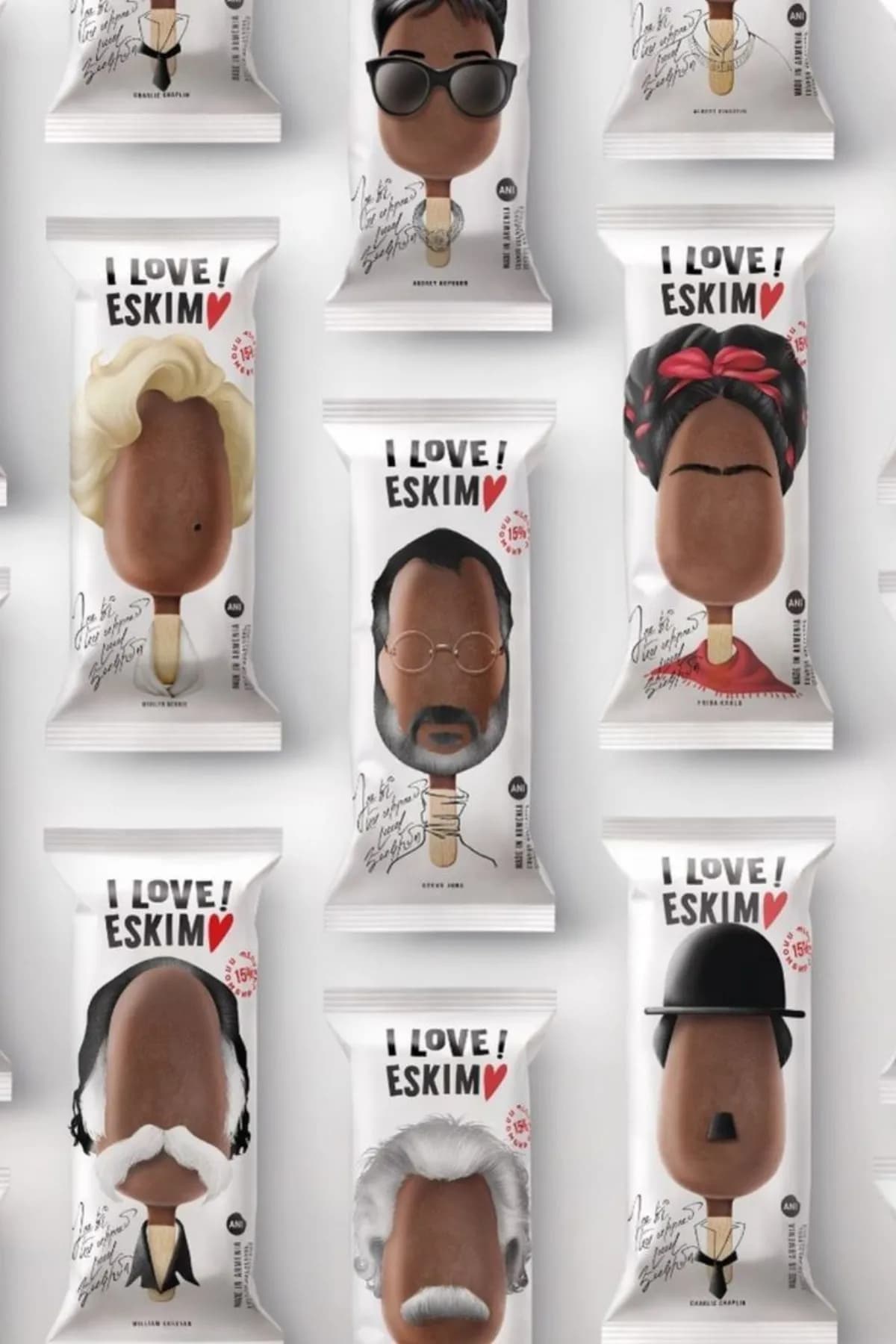
Packaging Design
Eskimo
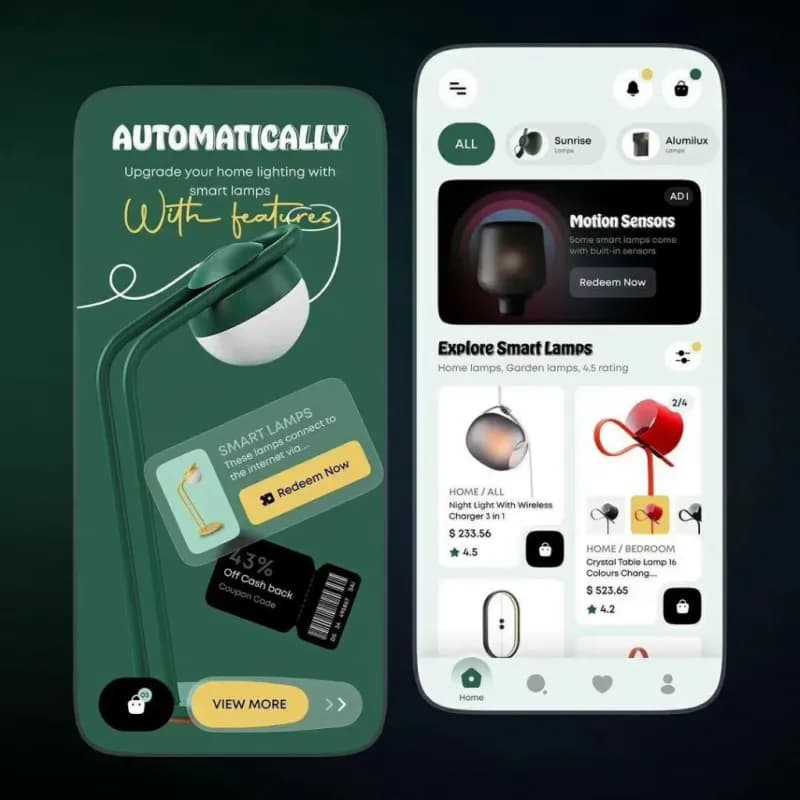
Mobile UX
Smart Home App
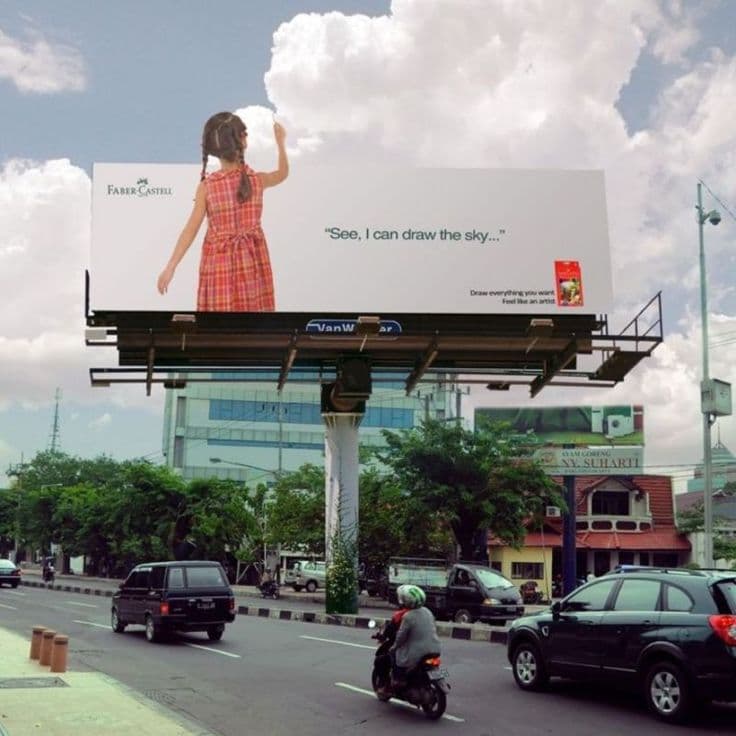
Print Advertising
Faber Castell

We start with constraints, not concepts. What the format is and who converts it. What print method — digital, flexo, offset litho or gravure. How many spot colours the run allows, because on flexo labels each extra colour adds a plate and a cost. What the minimum order quantity is, since that decides whether artwork changes later are cheap or catastrophic. Whether the product is chilled, frozen, ambient or oily, since that governs substrate and adhesive. And what the mandatory information is. Half a page of answers here reshapes the entire design.
For food and beverage in New Zealand that mandatory content is not negotiable and it takes up real estate: ingredient list in descending order, allergen declaration, nutrition information panel, net quantity, date marking, storage instructions, the New Zealand supplier name and address, and region of origin. Supplements, cosmetics and anything carrying a health claim have further requirements, and claim wording is a compliance question rather than a design one. We lay the mandatory panel out to be genuinely legible, and ask you to have the final wording checked by whoever carries the regulatory risk before sign-off.
You get two or three distinct routes as flat visuals and mocked onto the actual dieline, not just a hero render. We then run a shelf test — the front panel repeated in a block beside real competitor packs at true relative scale, viewed from about two metres. This is where most subtle designs get discarded, and it is far cheaper to discard them here than after a print run. Once a route is chosen we build print-ready artwork per SKU, supply a colour-managed PDF to the printer, and check the digital and, where the run justifies it, the press proof.

Production for most New Zealand brands happens locally. Digital label printing suits short runs and multi-SKU ranges because there are no plate costs, so a range of six flavours is no more expensive per label than one. Flexo becomes cheaper at higher volumes but carries plate charges of roughly NZ$400 to NZ$1,500 per colour set, which is why a design that needs seven spot colours costs real money before a single label is printed. Folding cartons and corrugated shippers are produced by converters largely clustered in the South and East Auckland industrial areas. Pouches and some laminates are frequently imported, which lengthens lead times considerably.
Realistic timing: artwork production for a first SKU takes two to four weeks including revisions and regulatory checking. Plate making and proofing adds one to two weeks. Local digital or flexo print runs are typically two to four weeks after artwork approval; imported pouches and rigid formats can run eight to twelve weeks or more. Plan backwards from your launch or a category review date, and add contingency for the proof you reject. The most common cause of a missed launch we see is not design — it is a barcode or a nutrition panel amended after plates were already made.
Shelf reality in New Zealand is shaped by a concentrated grocery market. Foodstuffs banners — New World, PAK'nSAVE and Four Square — and Woolworths NZ dominate, and ranging decisions run through category review windows that only open at set points in the year. Both require a GS1 New Zealand barcode, product data supplied to their systems, and packaging that stacks and scans reliably. Specialty and independent retail — Farro Fresh, Huckleberry, Commonsense Organics, Moore Wilson's, the weekend markets in Grey Lynn, Takapuna and Parnell — is where most small NZ brands actually start, and it tolerates more distinctive and lower-volume formats. Designing a pack for a specialty shelf and a pack for a mainstream grocery shelf are different briefs, and it is worth being clear which one you are aiming at before we begin.
Why Choose Us
The dieline is the drawing everything else hangs off. It is a flat template showing cut lines, fold lines, glue tabs, safe areas and which panel each face becomes once assembled. We request it from your converter or build it from their specification, and we work on their file rather than a generic template — panel dimensions differ between suppliers even for the same nominal box size. Print-ready artwork means correct bleed, colours specified as spot Pantone or process CMYK to match the print method, minimum type sizes the press can hold, and barcodes with proper quiet zones on a flat, uncurved panel.
Format selection, carton and label structure, and artwork built on your converter's actual dieline rather than a generic template. Panel sizes vary between suppliers, so we work from their specification from the start.
Front-panel hierarchy, typography, colour and imagery designed to be read at arm's length in supermarket lighting — then tested in a shelf block beside real competitors before anything goes near a printer.
Correct bleed, spot Pantone or process CMYK matched to the print method, press-safe minimum type sizes, and barcodes placed with proper quiet zones on a flat panel. Supplied colour-managed and printer-ready.
Stock, laminate and varnish choices weighed against unit cost, product type and retail environment. Chilled and frozen products need substrates and adhesives rated for condensation; premium finishes only where volume jus…
Ingredient lists, allergen declarations, nutrition information panels, net quantity, date marking, storage and NZ supplier details laid out to be genuinely legible. You have the final wording verified; we make it fit and…
Logo and palette tested at real pack size, not on screen. Marks checked for legibility at 18mm, colours defined in Pantone as well as hex, and contrast checked against the shelf backdrop you will actually sit on.
Industries
Kiwitech works with Auckland and wider New Zealand businesses across 25+ industries, but four verticals dominate our roster: property (Auckland developers, apartment launches, agency networks), education (private schools, tertiary providers, edtech), healthcare (specialist groups, dental and dermatology clinics, allied-health practices), and food and beverage (CBD and Ponsonby cafes, Britomart fine dining, food-court chains, cloud kitchens). SaaS, D2C retail, fashion boutiques across Newmarket and Ponsonby, and South Auckland industrial manufacturers round out the next tier of growing accounts.
02/Awards & partnerships

Top GenAI Company
Clutch · 2026 leader
Google Ads
Performance & search
Red Herring Winner
Top 100 Asia
Microsoft
Cloud & enterprise
Shopify
Commerce builds

Flutter Service Award
App development excellence
WordPress
CMS & enterprise web
ChatGPT
AI workflow partner

Top Clutch · App Dev
Verified industry leader
Gemini
Google AI partner
Google Cloud
Infra & data
Bing Ads
Microsoft advertising


Our Process
A 5-step playbook we run with every Auckland client. Same rigor for a NZ$2,000/month SMB engagement and a NZ$15,000/month enterprise pod — only the depth changes.
Format, converter, print method, colour count, minimum order quantity and product conditions established first.
Converter dieline obtained and all mandatory regulatory content collected and confirmed per SKU.
Two or three design directions shown flat and on the dieline, plus a competitor shelf-block test.
Chosen route built to print-ready artwork across every SKU, with colour and type press-checked.
Digital and press proofs reviewed, corrections made, files released to your printer with a spec sheet.
Resources
FAQ
A single label SKU typically runs NZ$1,200 to NZ$2,500. A range of three to six related SKUs is usually NZ$3,500 to NZ$8,000, since the system is designed once and adapted. A folding carton with structural work and dieline artwork sits around NZ$2,500 to NZ$6,000. Additional SKUs added to an existing system are roughly NZ$350 to NZ$700 each. A full identity plus packaging system for a launch generally lands between NZ$8,000 and NZ$20,000. Printing, plates and tooling are billed separately by your converter.
Artwork production for a first SKU is two to four weeks including revisions and regulatory checking. Plates and proofing add one to two weeks. Local digital or flexo print runs are typically two to four weeks after artwork approval, while imported pouches and rigid formats can take eight to twelve weeks or more. Work backwards from your launch or category review date and leave contingency for a rejected proof.
You contract the printer or converter directly and they invoice you, which keeps the print margin out of our fee and keeps you in control of the relationship. We prepare the artwork, brief the printer, and review the proofs. We can work with converters and label printers around the South and East Auckland industrial areas or with whoever you already use.
A dieline is the flat template from your converter showing cut lines, folds, glue tabs, safe areas and which panel becomes which face once assembled. We need theirs specifically because panel dimensions differ between suppliers even for the same nominal size. Artwork built on a generic template routinely ends up with text crossing a fold or a barcode landing on a curve.
We design to the practical requirements: a GS1 New Zealand barcode with correct quiet zones on a flat scannable panel, mandatory information laid out legibly, and packs that stack and shelf reliably. Ranging decisions themselves sit with the category buyers at Foodstuffs and Woolworths NZ and run to their review windows, so we cannot promise a listing. What we can do is make sure the pack is not the reason you get declined.
General branding ends at a logo, palette, type system and guidelines. Packaging starts where those meet a press. It adds structural constraints, converter dielines, colour counts and plate costs, substrate and adhesive choices, mandatory regulatory panels, barcode placement and proof approval. If you need both, we build them together and test the identity at real pack scale, because a mark that looks strong on a website often disappears at 18mm on a jar.
Get a Quote
Tell us about your goals — we'll reply within one business day with next steps.
Visit Our Office
Verified Credentials & Sources
Independently rated and certified across the platforms our work runs on — verifiable on the source directories below.
Get a free strategy call with Kiwitech Labs' senior packaging design agency team. We'll audit your current setup and outline what we'd do in the first 90 days.

Talk to a strategist
Free 30-minute call. No obligations. Just answers.