

Out-of-Home Ads
Coca-Cola
Content that earns rankings has to be genuinely worth reading, correct about your industry, and written for a New Zealand audience. We brief it properly, write it here in Auckland, and edit it until it holds up.
Quick Answer
Most content that fails does so at the brief, not the writing. A page loses because it was aimed at a keyword rather than a question, or because it answers a query Google is currently serving with a completely different page type. We start every piece by looking at what actually ranks for the target query — are the top results guides, comparisons, product pages, or forum threads? — and shaping the brief to match. That means the writer gets a document specifying the primary query, the related questions people also ask, the angle, the sections required, the internal links to include, and the specific claims that need a source. Handing a writer a keyword and a word count is how you get filler.
In Business Since
Team
Based In
Reporting
Our Content Writing Agency Services in Auckland
Selected Work
Out-of-Home Ads
Coca-Cola

Outdoor Campaign
Pepsi

Brand Identity
Brand System
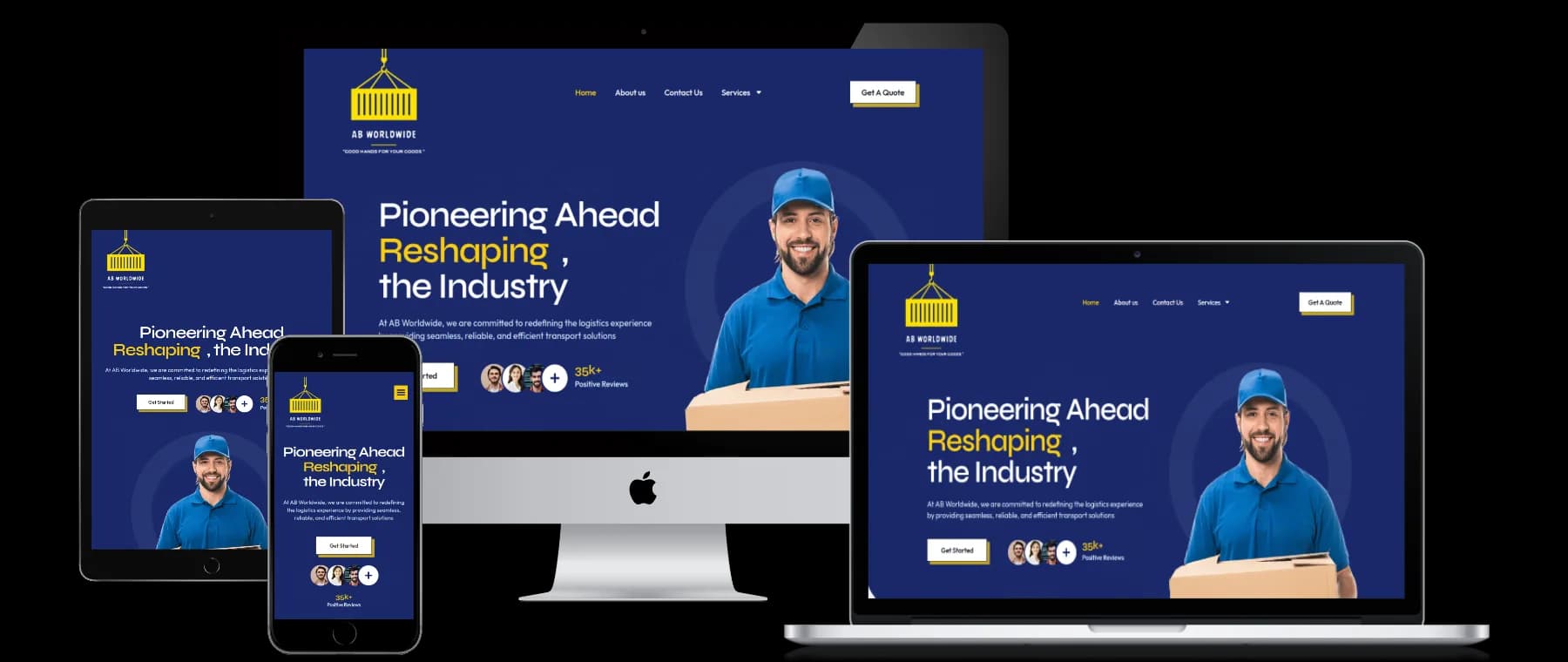
Web Development
Multi-Device Web

Guerilla Marketing
Snickers
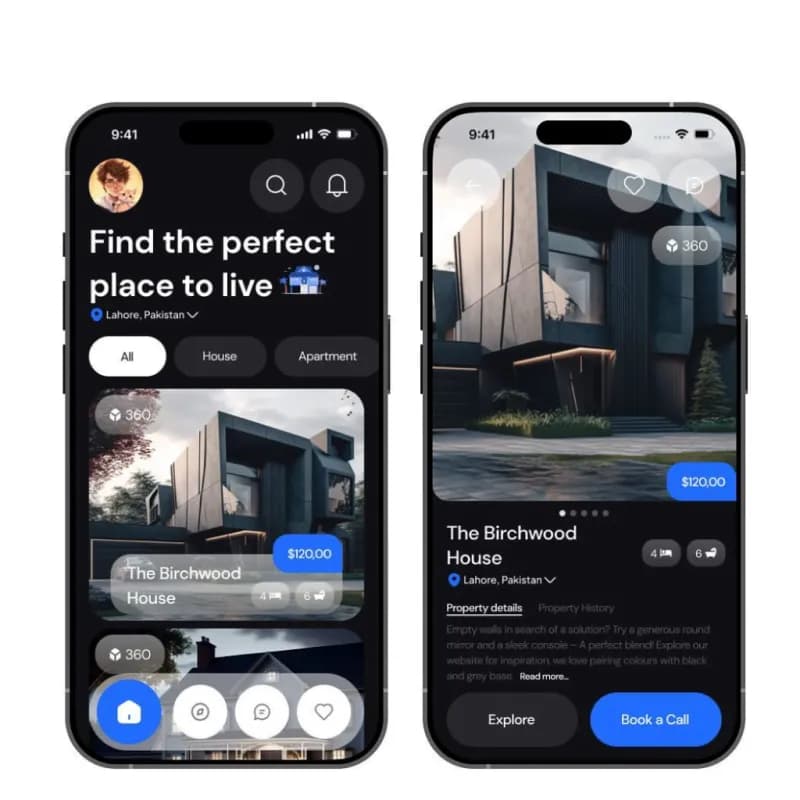
UX / UI Design
PropTech App

Social & Creative
Fitness Creative

Packaging Design
Eskimo

Mobile UX
Smart Home App

Print Advertising
Faber Castell

Onboarding starts with voice and substance. We build a short brand voice guide — how formal you are, which words you use for your own products, what you never claim, whether you write in first person plural or singular — and we run a discovery session to capture what you actually know that competitors do not. Alongside that we do keyword and SERP research to build a content plan, usually a rolling quarter of topics grouped into clusters so that pieces support each other through internal links rather than competing for the same query. Cannibalisation from three near-identical blog posts is a problem we spend a lot of time undoing on existing sites.
Each piece then moves through the same stages. The brief is written and shared, so you can redirect the angle before anyone has spent hours on a draft. The writer produces a first version, pulling sources and, where relevant, quotes from your team. An editor reviews for accuracy, structure, voice and search fundamentals — heading hierarchy that reflects the actual argument, an opening that answers the question rather than warming up for three paragraphs, internal links to the pages that should be earning conversions, a meta title and description written to be clicked. You get one round of substantive revisions included; in practice most pieces need light changes once the voice guide has settled after the first month.
Publishing is included where you want it. We will load pieces into WordPress, Shopify or your CMS, set the on-page elements, add or update schema, place the internal links, and check the page renders properly on mobile before it goes live. After that we track how each piece performs in Search Console and revisit it. Refreshing an article that is sitting at position eleven is almost always a better use of budget than writing a new one, so a mature retainer usually splits its output between new pieces and updates to work that is already close.

Search volumes here are small, and that changes the strategy. A query with two hundred monthly searches in New Zealand can be worth more than one with twenty thousand somewhere else, because the intent is local and the competition is a handful of local businesses rather than every publisher on the internet. It also means volume-first content strategies imported from larger markets do not work — publishing forty thin posts a month to chase long-tail traffic mostly produces index bloat. We would rather write two properly researched pieces a month that can hold page one than eight that sit on page four and dilute the site.
Local specificity is what makes a page defensible. A guide written for an Auckland audience should know that traffic across the harbour bridge shapes service areas, that a business on Dominion Road serves a different customer mix to one in Albany, and that Auckland Council consent timelines are a real constraint people plan around. Those details cannot be generated from nothing — they come from you, or from research we do here. This is also why we do not write location pages that are a template with the suburb swapped. If a page about Takapuna says nothing that would be untrue of Manukau, it should not exist.
Retainers are structured around output and support rather than a vague monthly allowance. A typical arrangement covers a set number of pieces per month, the briefs and research behind them, editing, on-page implementation, publishing, and a monthly review of what the existing content is doing in Search Console. Larger programmes add subject-matter interviews, refresh cycles for older pages, and coordination with SEO and paid campaigns so the content being written supports the pages actually generating revenue. What is not included is anything we cannot do honestly — we will not fabricate case studies, invent statistics, or write reviews.
Why Choose Us
We write in New Zealand English and to a New Zealand audience, which is more than a spellcheck setting. It means organise rather than organize, GST-inclusive pricing where relevant, NZD figures, and references that make sense here — a customer in Ponsonby or Henderson, not a generic city. It means knowing that the Building Act, the Consumer Guarantees Act, the Fair Trading Act and the Privacy Act are the frameworks your readers operate under, and not importing regulatory advice from somewhere else. Content that quietly assumes an New Zealand market is the fastest way to lose a local reader's trust, and it is one of the most common problems we find when auditing existing site copy for Auckland businesses.
Every piece starts with a brief built from what currently ranks — page type, angle, required sections, questions to answer, internal links and the claims that need sourcing.
NZ spelling, NZD figures, GST handled correctly, and references to New Zealand regulation and places rather than imported assumptions from New Zealand markets.
Pieces attributed to a real person with relevant credentials, drawing on interviews with your subject-matter experts where the topic genuinely requires inside knowledge.
A writer who understands the subject, then a separate editor checking accuracy, structure, voice and search fundamentals before anything reaches you for review.
Heading hierarchy, meta title and description, internal links to your commercial pages, image alt text and schema — done as part of the piece, not quoted as an extra.
Monthly Search Console review to find pages sitting just off page one, then updating them, which reliably beats writing something new from scratch on the same topic.
Industries
Kiwitech works with Auckland and wider New Zealand businesses across 25+ industries, but four verticals dominate our roster: property (Auckland developers, apartment launches, agency networks), education (private schools, tertiary providers, edtech), healthcare (specialist groups, dental and dermatology clinics, allied-health practices), and food and beverage (CBD and Ponsonby cafes, Britomart fine dining, food-court chains, cloud kitchens). SaaS, D2C retail, fashion boutiques across Newmarket and Ponsonby, and South Auckland industrial manufacturers round out the next tier of growing accounts.
02/Awards & partnerships

Top GenAI Company
Clutch · 2026 leader
Google Ads
Performance & search

Red Herring Winner
Top 100 Asia
Microsoft
Cloud & enterprise
Shopify
Commerce builds

Flutter Service Award
App development excellence
WordPress
CMS & enterprise web
ChatGPT
AI workflow partner

Top Clutch · App Dev
Verified industry leader
Gemini
Google AI partner
Google Cloud
Infra & data
Bing Ads
Microsoft advertising


Our Process
A 5-step playbook we run with every Auckland client. Same rigor for a NZ$2,000/month SMB engagement and a NZ$15,000/month enterprise pod — only the depth changes.
We build a short brand voice guide and run a session to capture what your team actually knows that competitors cannot easily copy.
Keyword and SERP research turns into a rolling quarterly plan, grouped into clusters so pieces link to and support each other instead of competing.
You see the brief — angle, sections, questions, links, sources — and can redirect it before anyone has spent hours producing a draft in the wrong direction.
A subject-aware writer drafts and sources the piece, then a separate editor checks accuracy, structure, brand voice and on-page fundamentals.
We load the piece into your CMS with on-page elements set, then track it in Search Console and schedule refreshes for anything sitting close to page one.
FAQ
A researched, edited long-form article typically runs NZ$350 to NZ$900 depending on length, technical difficulty and whether subject-matter interviews are involved. Website and landing page copy is usually quoted per page, commonly NZ$400 to NZ$1,200 for a commercial page that needs real research. Ongoing retainers generally sit between NZ$1,500 and NZ$4,000 per month, covering a set number of pieces plus briefs, editing, publishing and monthly performance review. Very short or highly templated work costs less, but we will tell you if we think it is not worth commissioning.
We use it as a tool, not as the writer. It is useful for research shortcuts, outline options, and drafting highly structured content such as specification tables. We do not publish machine-generated prose as finished work, because it is fluent and confident while being quietly wrong about the specifics your readers are actually checking. Every piece is restructured, fact-checked and rewritten by a person who understands the subject, then edited by a second person against your voice guide. If you would prefer no AI involvement at any stage, say so and we will work that way.
We build a written voice guide during onboarding — formality, sentence length, terminology for your own products, claims you will and will not make, first person plural or singular — and assign a consistent writer and editor to your account rather than rotating whoever is free. The first month usually needs more revision than later ones while the guide settles. After that most pieces need only light changes, and your team should struggle to tell which pages we wrote and which you did.
An agreed number of pieces per month, plus everything around them: keyword and SERP research, the written brief for each piece, drafting, a separate editing pass, on-page elements including meta title and description, internal linking, publishing into your CMS, and a monthly review of how existing content is performing in Search Console. Larger programmes add expert interviews, scheduled refreshes of older pages, and coordination with your SEO and paid campaigns. It does not include fabricated case studies, invented statistics or written reviews.
Because readers notice when content is not written for them, and so does Google. New Zealand-sourced content brings the wrong spelling, the wrong currency, the wrong regulatory framework and examples that do not apply here. A page advising New Zealand businesses on consumer obligations needs to reference the Consumer Guarantees Act and the Fair Trading Act, not something from another jurisdiction. Local specificity — real suburbs, real constraints, real pricing in NZD — is also what makes a page hard for a competitor to copy.
Expect three to six months before a new piece settles into a stable position, and longer on a site with little existing authority. New pages usually get indexed within days to a couple of weeks, then move around while Google works out where they belong. Established sites with a good link profile see movement faster. Anyone promising rankings in thirty days is either targeting queries nobody searches or is not being honest with you. The most reliable early wins come from refreshing pages you already have rather than publishing new ones.
Get a Quote
Tell us about your goals — we'll reply within one business day with next steps.
Visit Our Office
Verified Credentials & Sources
Independently rated and certified across the platforms our work runs on — verifiable on the source directories below.
Get a free strategy call with Kiwitech Labs' senior content writing agency team. We'll audit your current setup and outline what we'd do in the first 90 days.

Talk to a strategist
Free 30-minute call. No obligations. Just answers.