
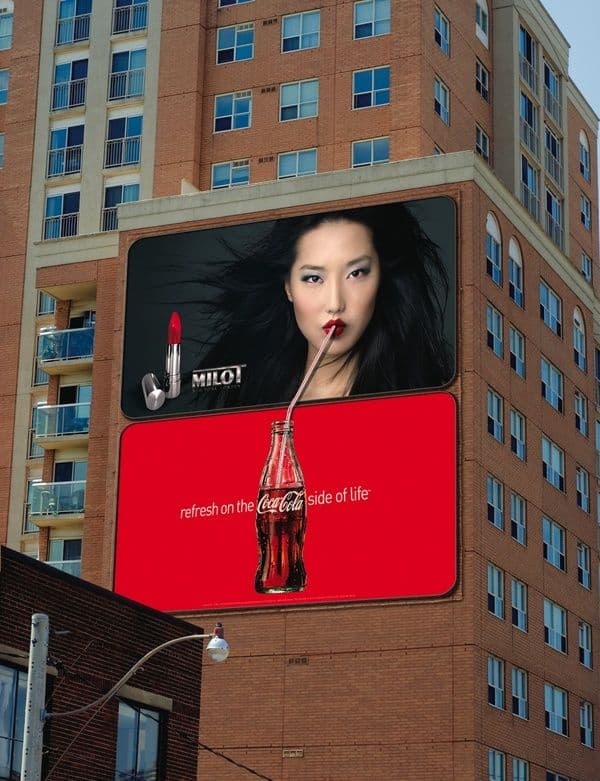
Out-of-Home Ads
Coca-Cola
A release is a plan, not an upload date. We handle distribution, metadata, pre-saves, playlist pitching and paid promotion so the week your track goes live is the week it has the best chance it will ever get.
Quick Answer
Getting music onto streaming services is the easy part now. An aggregator such as DistroKid, TuneCore, CD Baby or Amuse will put your track on Spotify, Apple Music, YouTube Music and the rest for a modest annual fee, and you keep your masters and the overwhelming majority of your royalties. What those services do not do is give anyone a reason to listen. That gap — between availability and attention — is where release marketing sits. Our work covers the four weeks before release and the six to eight weeks after, which is the window where the platforms are still deciding whether to push your track algorithmically and where your own audience is most likely to act.
In Business Since
Team
Based In
Reporting
Our Music Release Agency Services in Auckland
Selected Work
Out-of-Home Ads
Coca-Cola

Outdoor Campaign
Pepsi
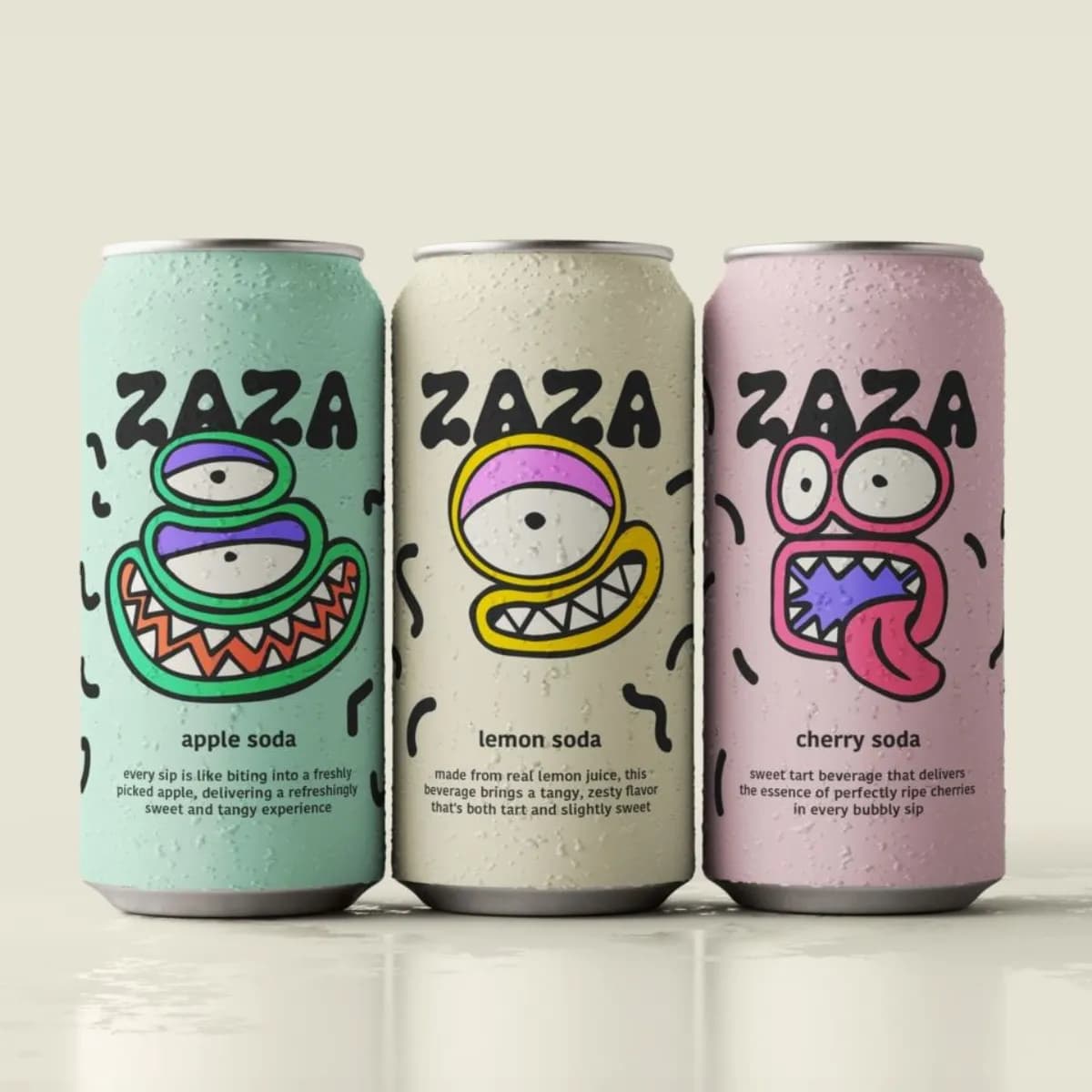
Brand Identity
Brand System
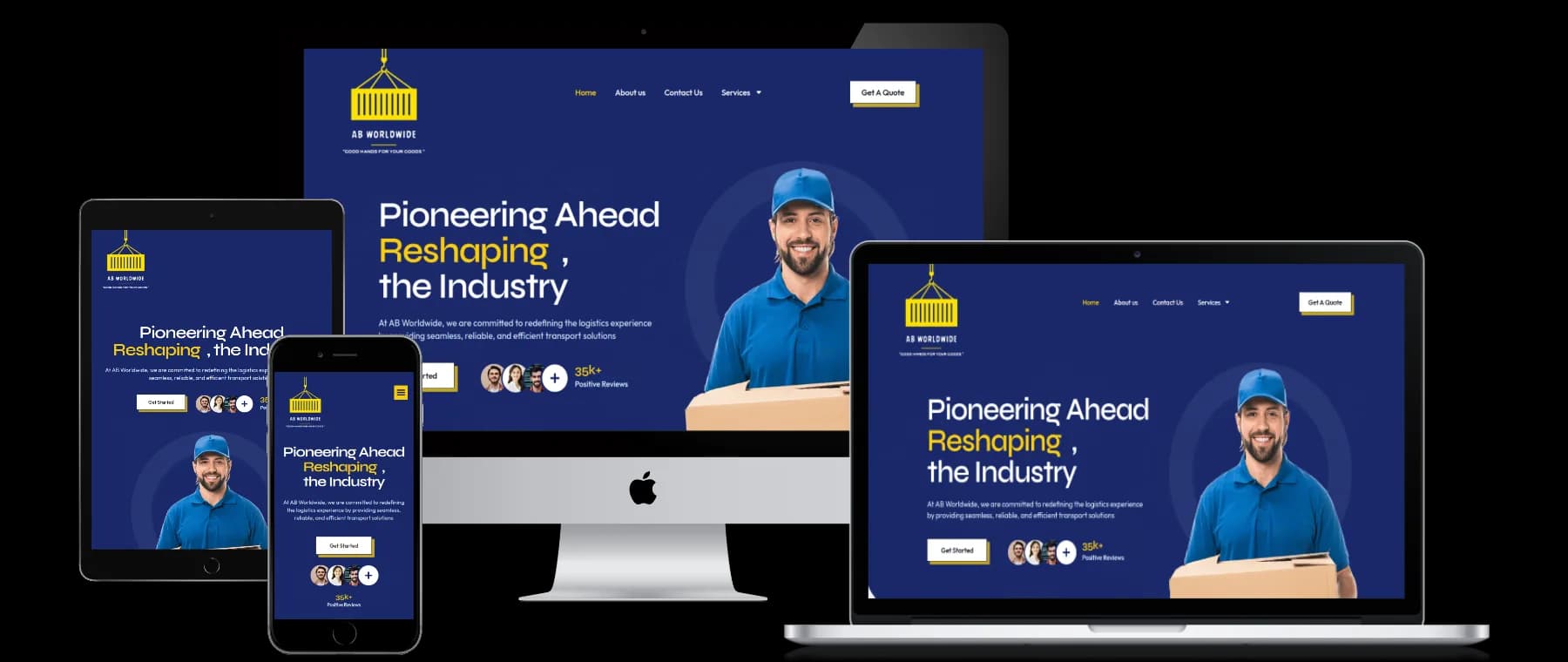
Web Development
Multi-Device Web

Guerilla Marketing
Snickers
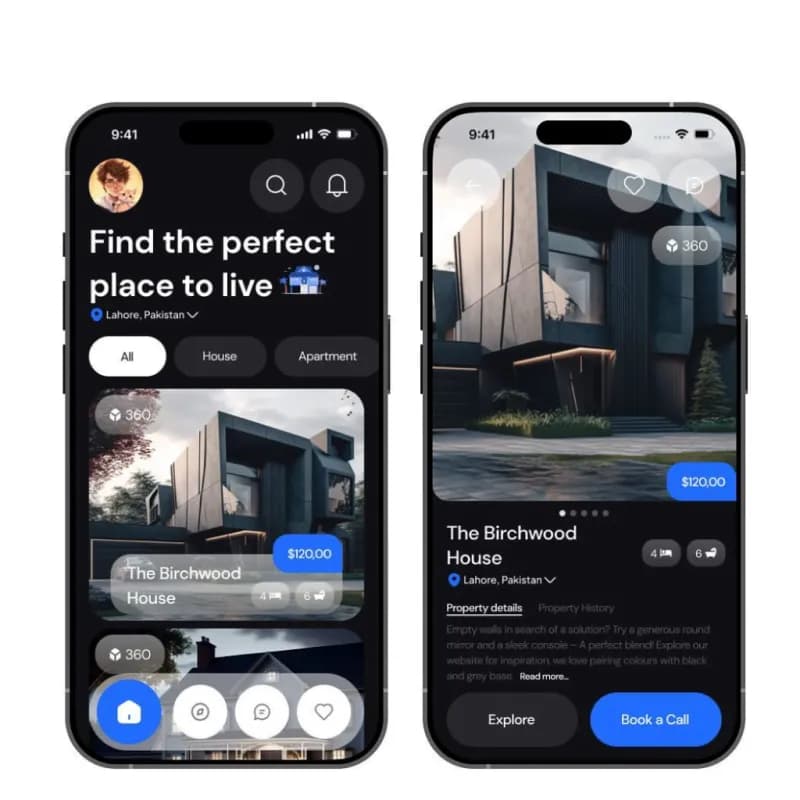
UX / UI Design
PropTech App
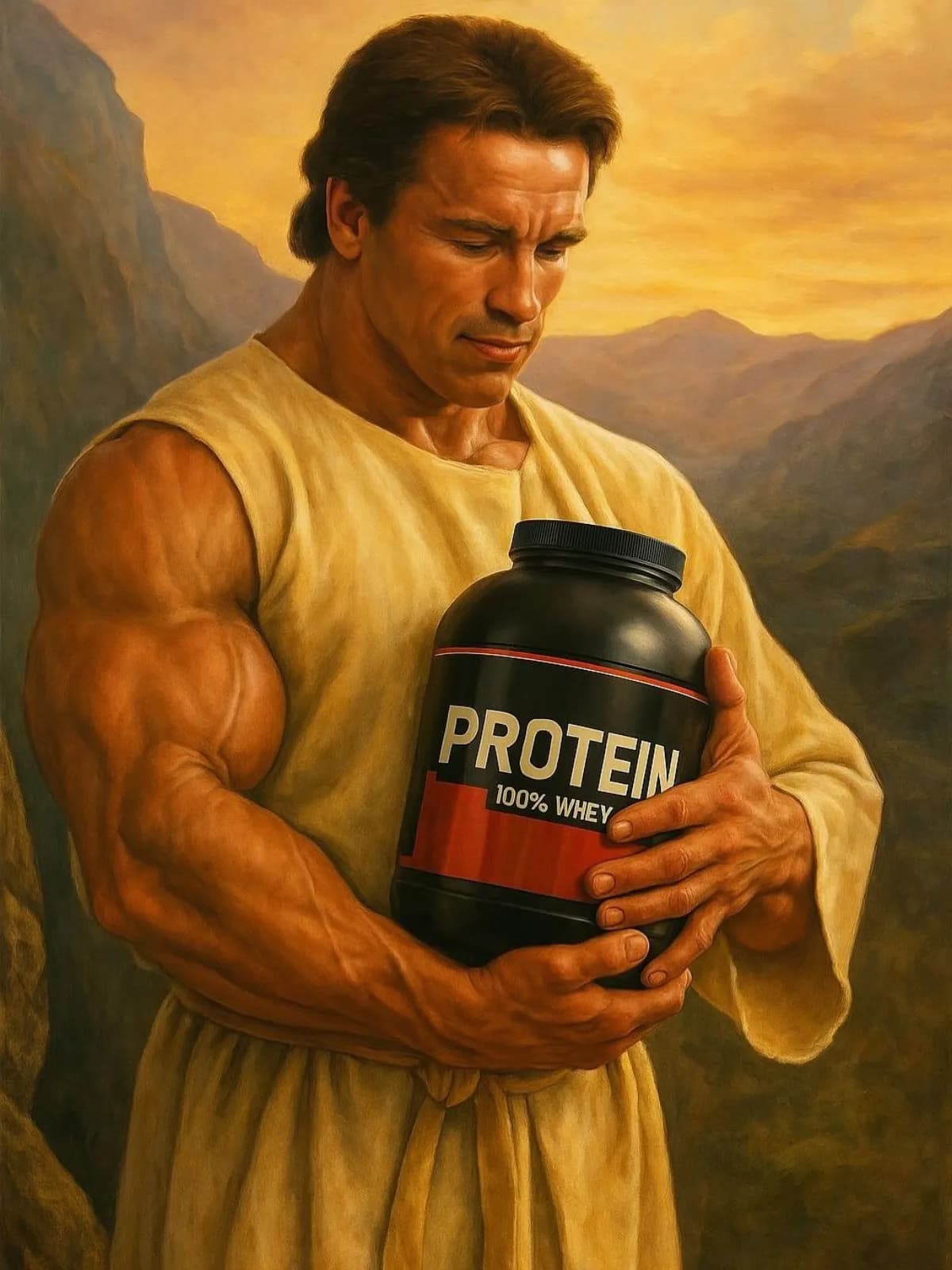
Social & Creative
Fitness Creative
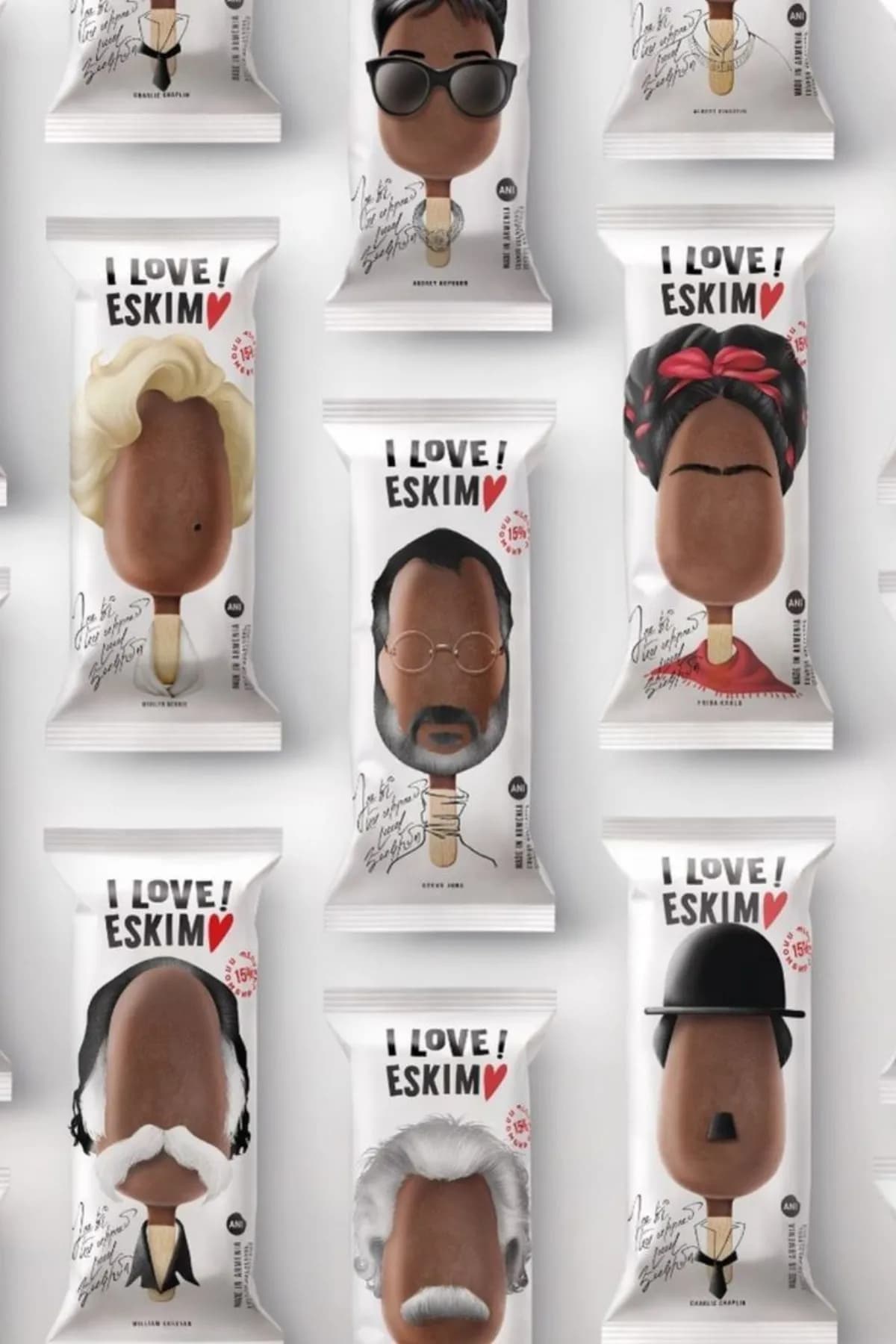
Packaging Design
Eskimo
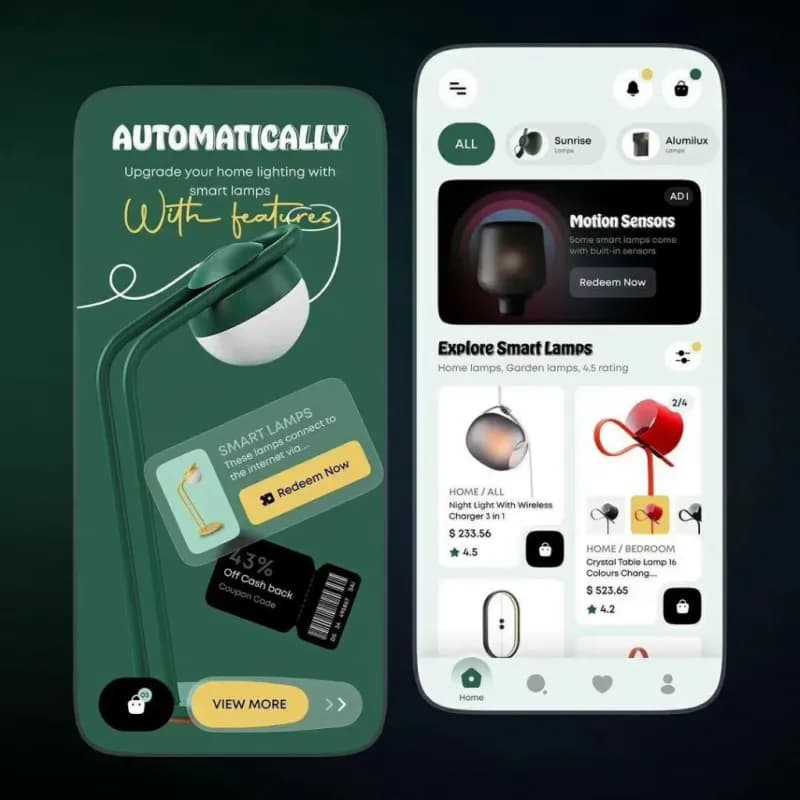
Mobile UX
Smart Home App
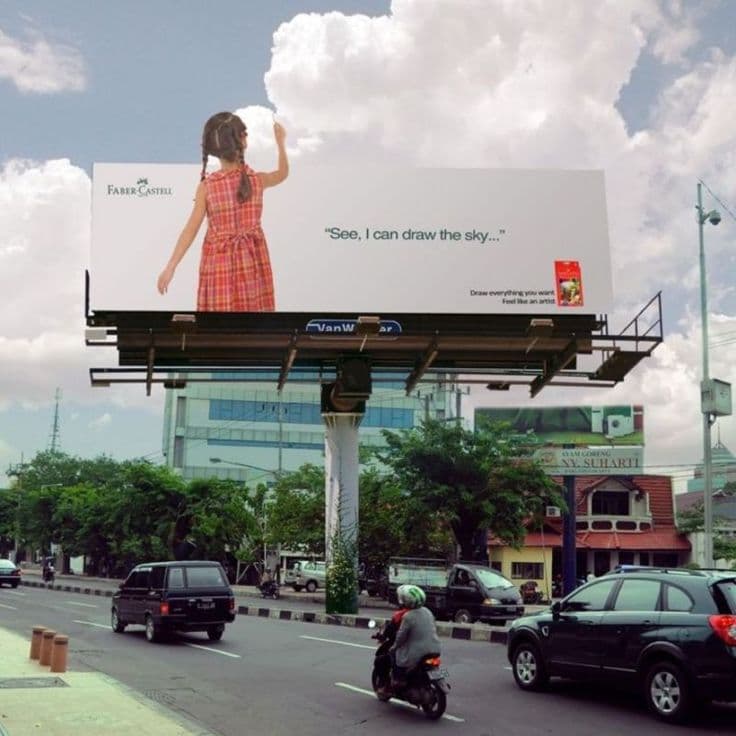
Print Advertising
Faber Castell

We work backwards from release day. Six weeks out we finalise masters, artwork and metadata and deliver to the aggregator, because most platforms want the audio in hand well before street date and Spotify's editorial pitch requires a release that has been delivered but not yet published. Four weeks out the pre-save link goes live and the content plan starts: short-form video, snippets, behind-the-scenes material, and whatever you can produce consistently rather than an unrealistic daily schedule. Two weeks out we send the track to student and independent radio music directors, relevant New Zealand music writers and any playlist curators we have a genuine relationship with, with a private stream link and a short, factual pitch.
The editorial pitch in Spotify for Artists is a single form with limited space, and you only get one shot per release. We fill it out around the things editors actually use: genre and mood, instrumentation, the story behind the track, whether it is part of a wider project, and any real momentum such as radio support, festival dates or previous playlist history. It is worth being precise here rather than expansive. To be completely clear: submitting the pitch does not secure a placement. Editors receive far more submissions than they have slots, and most independent releases are not selected. The pitch is worth doing because it also feeds Spotify's algorithmic systems, and because the occasions it does land are significant.
After release day the work shifts to sustaining activity. We watch the Spotify for Artists dashboard for the signals that matter — save rate, playlist adds, listeners who return in week two — because those are what algorithmic playlists such as Discover Weekly and Release Radar respond to. Paid social runs behind that, usually Meta and TikTok, targeting fans of comparable artists with short video that leads with the strongest few seconds of the song. Budgets here are modest and the honest goal is building an audience you can retarget on the next release rather than buying streams that never come back.

The New Zealand market is small enough that live performance and community still carry a lot of the weight. An Auckland artist building a following through venues around the central suburbs, supporting slots, and a consistent local presence will generally convert that into streams more reliably than one relying entirely on paid promotion. Streaming numbers here are modest by New Zealand standards, so the realistic aim for most independent releases is steady growth in monthly listeners and saves rather than a breakout figure. We set expectations against that from the start, because a plan built on New Zealand benchmarks is a plan built to disappoint.
Funding and industry bodies are worth engaging with early. NZ On Air's music funding rounds support single releases and music videos, and the application process requires a release timeline, a marketing plan and evidence of audience, all of which are useful documents to have regardless. Recorded Music NZ handles the official charts and collects royalties for recorded music, so registering your works properly is not optional if you want to be paid for radio and public performance use. Student radio across the bNet network genuinely still plays and champions unsigned local music, and a well-timed, personally addressed email to a music director costs nothing.
One firm warning. Do not buy playlist placements. Services that offer to place your track on a playlist in exchange for payment breach Spotify's terms, and the consequences fall on the artist: streams stripped, releases removed, and in serious cases the artist profile affected. The playlists themselves are almost always bot-inflated with no real listeners, so even ignoring the risk you are paying for numbers that never convert into fans, ticket sales or future streams. If someone guarantees playlist placement or a stream count for a fee, that is the offer to walk away from. Legitimate promotion buys attention from real people; it never guarantees a placement.
Why Choose Us
The mechanics matter more than most artists expect. Metadata has to be right before it goes anywhere: correct artist name spelling, the right primary artist versus featured artist split, ISRC codes, genre and mood tags, language, and explicit flags. Getting these wrong causes your release to land on a duplicate artist profile, which splits your streaming history and is tedious to merge afterwards. Delivery timing matters too, because a Spotify editorial pitch has to be submitted through Spotify for Artists before the release goes live, and a release delivered too late simply cannot be pitched. We set the calendar backwards from release day so nothing gets missed.
Aggregator selection and delivery through DistroKid, TuneCore, CD Baby or similar, with correct artist splits, ISRCs, genre tags and explicit flags so your release lands on the right profile the first time.
Pre-save links, landing pages and a four-week content plan built to concentrate activity into release day, which is the signal streaming platforms respond to most strongly.
A properly written Spotify for Artists editorial pitch submitted before release, plus direct outreach to independent curators. Placement is never guaranteed and we will not claim otherwise.
Timed servicing to student and independent radio music directors across the bNet network and to New Zealand music writers, with a private stream link and a short factual pitch.
Meta and TikTok campaigns targeting listeners of comparable artists, built around short video that leads with the strongest hook, with the goal of building a retargetable audience for the next release.
Artwork crops for every platform, Spotify Canvas, short-form video cutdowns, press photos and a one-page EPK, all finished before release week rather than scrambled during it.
Industries
Kiwitech works with Auckland and wider New Zealand businesses across 25+ industries, but four verticals dominate our roster: property (Auckland developers, apartment launches, agency networks), education (private schools, tertiary providers, edtech), healthcare (specialist groups, dental and dermatology clinics, allied-health practices), and food and beverage (CBD and Ponsonby cafes, Britomart fine dining, food-court chains, cloud kitchens). SaaS, D2C retail, fashion boutiques across Newmarket and Ponsonby, and South Auckland industrial manufacturers round out the next tier of growing accounts.
02/Awards & partnerships

Top GenAI Company
Clutch · 2026 leader
Google Ads
Performance & search

Red Herring Winner
Top 100 Asia
Microsoft
Cloud & enterprise
Shopify
Commerce builds

Flutter Service Award
App development excellence
WordPress
CMS & enterprise web
ChatGPT
AI workflow partner

Top Clutch · App Dev
Verified industry leader
Gemini
Google AI partner
Google Cloud
Infra & data
Bing Ads
Microsoft advertising


Our Process
A 5-step playbook we run with every Auckland client. Same rigor for a NZ$2,000/month SMB engagement and a NZ$15,000/month enterprise pod — only the depth changes.
Set the release date and work backwards, mapping delivery deadlines, pitch windows, asset requirements and any funding applications.
Masters, artwork and metadata to the aggregator six weeks out, so the editorial pitch window stays open and platforms have time to process.
Pre-save link live, content plan running, and radio, press and curator outreach sent two weeks ahead with private stream links.
Coordinated release-day push across your channels, Spotify Canvas live, paid social switched on, and every asset already in place.
Six to eight weeks of follow-up promotion, dashboard monitoring for save rate and playlist adds, and a debrief that shapes the next release.
Resources
Best Way to Promote Your Song Online for Free — Top Platforms & Strategies (2025)
Read →How to Make Your Song Trending on Spotify — Complete Strategy Guide (2025)
Read →How to Make Your Song Viral on Instagram — Reels, Stories & Strategies (2025)
Read →How to Upload Your Song on Instagram — Complete Guide for Artists (2025)
Read →FAQ
A single release campaign typically runs NZ$1,200 to NZ$3,500 depending on how much asset production is involved. Distribution and metadata setup with a pre-save campaign and editorial pitch sits at the NZ$1,200 to NZ$1,800 end. Add video assets, radio and press servicing and managed paid social and it moves toward NZ$3,500. An EP or album campaign across multiple singles is usually NZ$4,000 to NZ$8,000. Ad spend is separate and NZ$300 to NZ$1,500 per release is a realistic range. Aggregator fees are yours directly and generally sit under NZ$100 a year.
No, and neither can anyone else. Editorial placement is decided by Spotify's editors, who receive vastly more submissions than they have slots. What we can do is submit a well-constructed pitch before the deadline, make sure your metadata and artist profile are in order, and build the release-day activity that improves your odds with both editors and the algorithm. Any agency guaranteeing editorial placement is either misleading you or using paid schemes that put your release at risk.
Because paying for placement breaches Spotify's terms and the penalties land on the artist, not the seller — streams removed, releases taken down, and in serious cases action against your artist profile. Those playlists are also typically inflated with bot activity, so the streams do not represent real listeners and never convert into fans or ticket sales. It is money spent on a number that damages you if anyone looks closely.
Six to eight weeks minimum from finished master to release day. Aggregators need lead time to deliver to every platform, the Spotify editorial pitch has to go in before the track is live, and pre-save campaigns need three to four weeks to gather any real momentum. If you are applying for NZ On Air funding, add considerably more, because those rounds have fixed closing dates and outcomes are not immediate.
For most independent artists the flat-fee services such as DistroKid work out cheapest if you release regularly, since you pay annually rather than per release. TuneCore and CD Baby have different fee structures that can suit lower release volumes or one-off albums. The differences that actually matter are payout speed, whether you keep 100 percent of royalties, and how easily you can fix metadata after delivery. We will recommend one based on how often you plan to release rather than defaulting to a single option.
Yes. The bNet student and independent stations continue to play unsigned local music, and their music directors are approachable in a way commercial radio is not. Airplay there builds early credibility, often leads to interviews and live session invitations, and costs nothing beyond sending a well-timed email with a private stream link. For a first or second release in New Zealand it is one of the highest-value things you can do.
Get a Quote
Tell us about your goals — we'll reply within one business day with next steps.
Visit Our Office
Verified Credentials & Sources
Independently rated and certified across the platforms our work runs on — verifiable on the source directories below.
Get a free strategy call with Kiwitech Labs' senior music release agency team. We'll audit your current setup and outline what we'd do in the first 90 days.

Talk to a strategist
Free 30-minute call. No obligations. Just answers.